

The Czech Republic has increased its motorway vignette prices for 2026, with rises of up to 9.5%. Having recently driven the route myself, I found that while the price increase is noticeable, the bigger challenge can be purchasing the vignette smoothly.
Below, you’ll find the updated prices, official sales channels, practical insights from my January 2026 test drive, and important information for drivers of electric and hybrid vehicles.
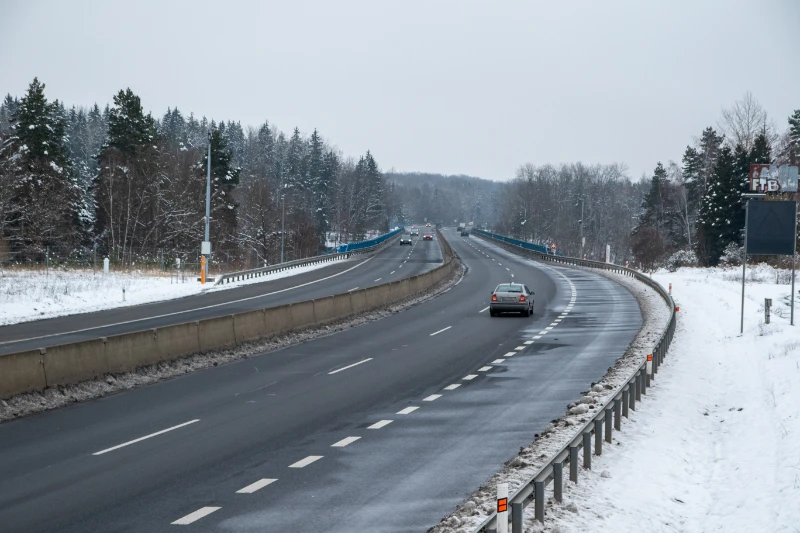
New 2026 Vignette Prices in the Czech Republic
Motorways and expressways in the Czech Republic are toll roads for vehicles up to 3.5 tonnes (motorcycles are excluded). A digital vignette is required.
Prices were adjusted at the start of 2026:
| Vignette type | Since Jan 2026 | 2025 | 2024 |
|---|---|---|---|
| 1 day | 230 CZK (~€9.45) | 210 CZK (~€8.40) | 200 CZK (~€8) |
| 10 days | 300 CZK (~€12.30) | 290 CZK (~€11.60) | 270 CZK (~€10.80) |
| 30 days | 480 CZK (~€19.70) | 460 CZK (~€18.40) | 430 CZK (~€17.20) |
| 1 year | 2,570 CZK (~€105.50) | 2,440 CZK (~€97.50) | 2,300 CZK (~€92) |
All amounts are in Czech koruna (CZK). Euro equivalents are approximate and based on the exchange rate at time of writing. Please note that we charge a convenience fee for taking care of the registration.
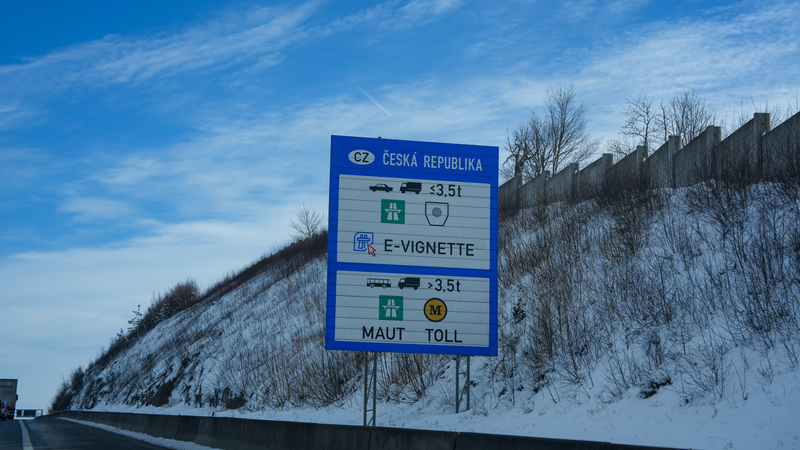
Where to Buy: Online and Offline Sales Channels
Since 2021, the Czech vignette has been fully digital. The traditional windshield sticker is gone, replaced by an entirely digital process.
There are five ways to buy your vignette:
- ✔ Online at Czechvignette.cz
- ✔ Online via the Czech motorway authority’s official e-shop (edalnice.cz)
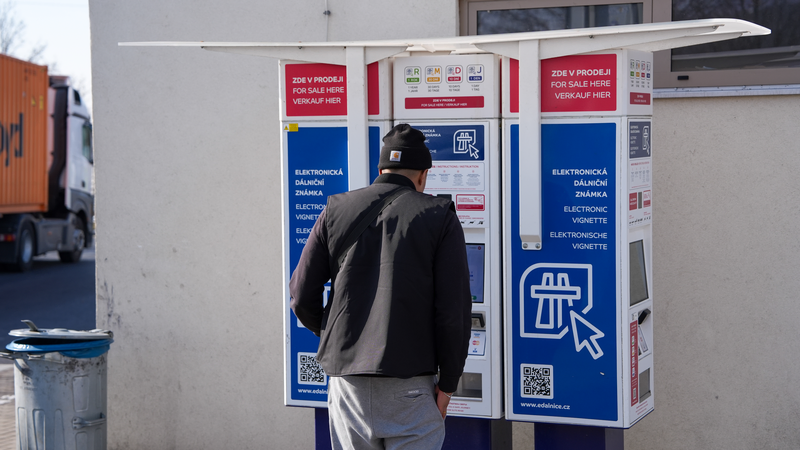
- ✔ Self-service machines at border crossings
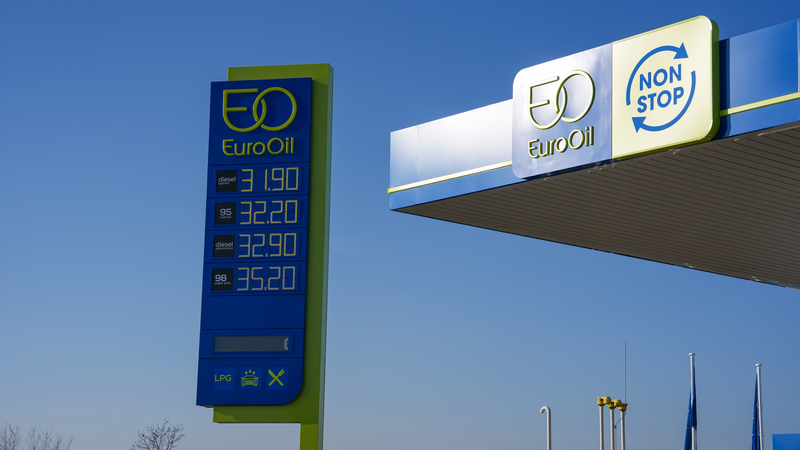
- ✔ Euro Oil petrol stations within the Czech Republic
- ✔ Czech post offices
Lessons from Our January 2026 Test Drive
In January and February 2026, I drove from Prague to the German border specifically to test the vignette purchasing process
My clear recommendation is to buy your vignette online before departure.
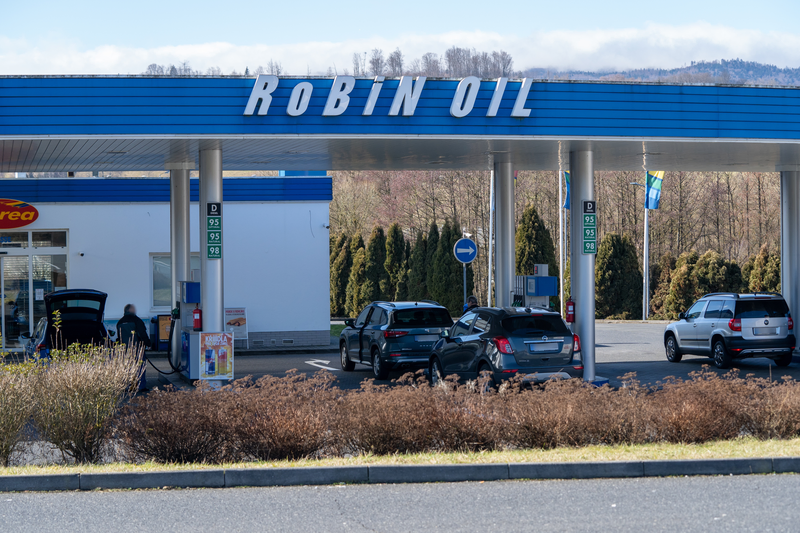
After crossing the border, I stopped at several Euro Oil petrol stations to purchase a vignette in person. In multiple cases, staff were either unaware that they were expected to sell vignettes or had not been trained in the sales process. At one station, the attendant stated he had “never heard of it.” At another, a cashier pointed to an information leaflet but was unable to complete the transaction in the system.
This does not appear to be an isolated issue, as similar experiences have been reported on traveller forums.
Practical tip from the road
Don’t rely on purchasing a vignette at a petrol station after crossing the border. Based on our January 2026 experience, staff at several Euro Oil locations were unfamiliar with the process.
Purchasing online before departure is the most reliable option. The vignette can become valid immediately after payment.
Self-service machines at border crossings were operational, but queues may occur during peak travel times, and card payment is required.
By contrast, the online portal worked without issue. I was able to register my licence plate number, pay by credit card, and receive confirmation within minutes. According to the Czech motorway operator SFDI, the vignette becomes valid immediately upon purchase because it is legally classified as a toll fee rather than a physical product.
One important detail to note: When purchasing through us, you can pay in your own currency, and we handle the conversion. This reduces the risk of incorrect payment amounts that could otherwise result in a reversal or an invalid vignette.
How the Digital Vignette System Works
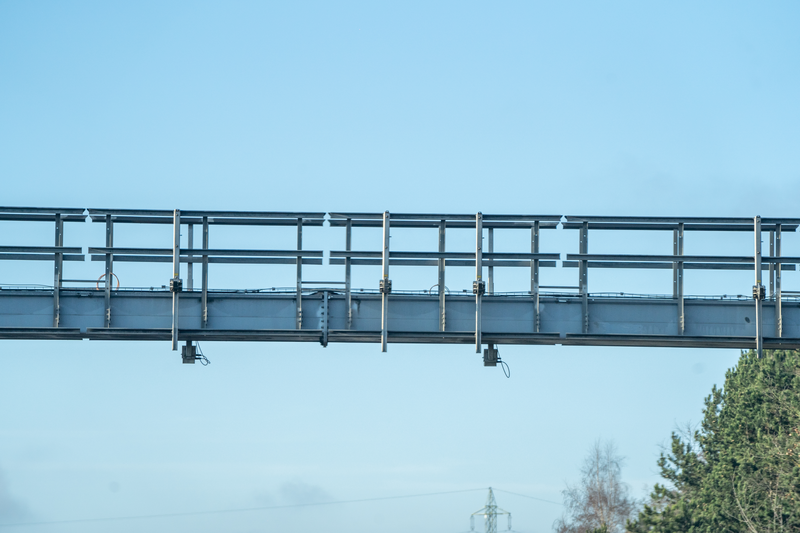
When you purchase a vignette, your vehicle’s registration number is recorded in a central database. Cameras installed on motorway gantries automatically scan number plates and verify them against this database.
Police patrol vehicles are also equipped with scanning systems and may check plates, including at petrol stations.
Penalties for driving without a valid vignette are significant:
- ✔ On-the-spot fines of up to 5,000 CZK (approximately €205)
- ✔ Up to 20,000 CZK (approximately €821) in formal administrative proceedings
Fines issued to foreign drivers can also be enforced in other EU countries, including the Netherlands and Germany, so ignoring a penalty is not an option.
Electric and Hybrid Vehicles: Discounts and Exemptions
Fully electric vehicles (BEVs) are exempt from the Czech motorway toll. However, the vehicle must be registered with the Czech authorities before the journey.
Plug-in hybrids with combined CO₂ emissions below 50 g/km pay 25% of the standard vignette price:
| Vignette type | Plug-in hybrid price (2026) |
|---|---|
| 1 day | 50 CZK (~€2 |
| 10 days | 70 CZK (~€2.90) |
| 30 days | 120 CZK (~€4.90) |
| 1 year | 640 CZK (~€26.20) |
Vehicles powered by CNG or biomethane qualify for approximately half the standard price.
Important for vehicles registered outside the Czech Republic
Simply presenting your vehicle registration document at a checkpoint is not sufficient. You must complete a dedicated form and submit it to the Czech authorities before your journey begins. Full instructions are available on the motorway operator’s website. Failing to pre-register means you will be treated as a standard vehicle and potentially fined.
Don’t want to deal with the paperwork yourself? We can take care of the full registration process for your electric vehicle with the Czech authorities for a small charge of €9.95. Simply provide your vehicle registration details before your trip, and we’ll handle the form submission so your vehicle is recognised as exempt upon entry. Contact us for more information.
Annual Vignette: No Longer Tied to the Calendar Year
Unlike the previous sticker system, the electronic annual vignette is no longer tied to the calendar year. You choose your own 365-day validity window when you purchase it, which makes it far better value for anyone whose travel does not align neatly with January to December.
The Bottom Line
The 2026 price increases are moderate, amounting to only a few euros depending on the vignette type. The bigger issue, as I found out first-hand, is ensuring you actually have a valid vignette before you hit the motorway. Buy it online, double-check your number plate entry, and keep your confirmation email handy. If you drive an electric vehicle, take the time to pre-register with the Czech authorities and enjoy a toll-free trip.
Written by: Ujjawal Verma
Ujjawal Verma is a Prague-based photographer and contributor to Czechvignette.cz. Drawing on his local knowledge and multiple trips across Czech motorways, he writes practical guides on vignette pricing, toll regulations, and tips for drivers travelling through the Czech Republic. In early 2026, he made several test drives — including routes from Prague to the German border — to evaluate the vignette purchasing process first-hand.
Reviewed by: Mattijs Wijnmalen
Mattijs Wijnmalen is a travel and automotive journalist who regularly drives through Central Europe. In January 2026, he completed a test drive from the Netherlands to the Czech Republic to verify the vignette buying process first-hand.
Disclaimer: This article is based on publicly available information from the Czech motorway authority (SFDI), the Czech Ministry of Transport, and the author’s personal experience in January and February 2026. Prices and regulations may change. Always verify the latest details at edalnice.cz before travelling.
Last verified: 5 February 2026